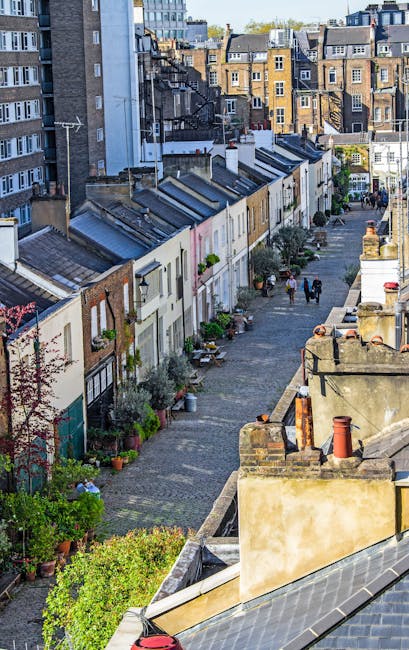
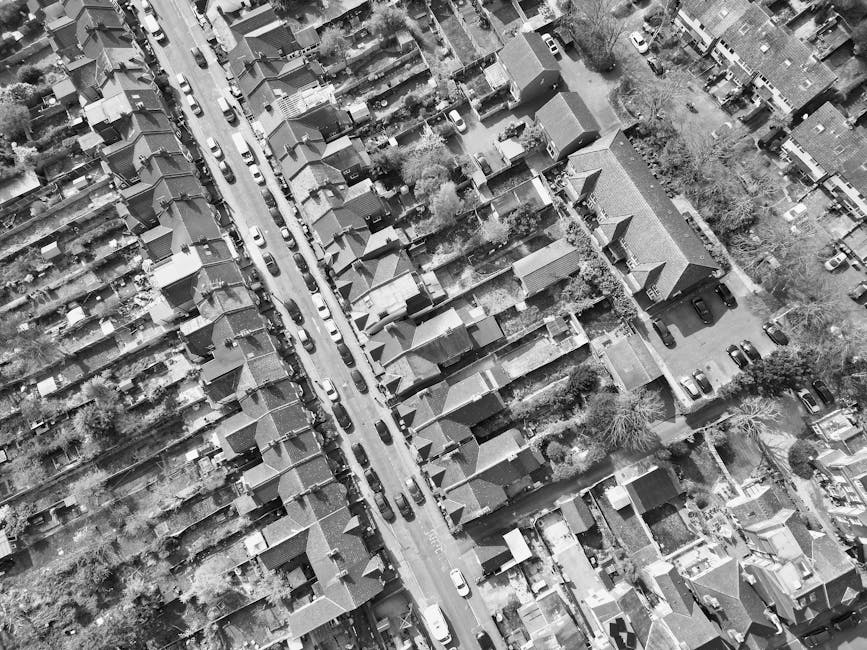
Wembley High Road gardeners guide for terraced house gardens
If you live off Wembley High Road and your garden feels more like a narrow outdoor corridor than a generous patch of lawn, you are not alone. Terraced house gardens can be tricky: they are often compact, shaded, overlooked, and expected to do far too much with far too little space. This Wembley High Road gardeners guide for terraced house gardens is designed to make that space work harder without making it feel cramped or fussy.
In practice, a good terraced garden is not about size. It is about flow, privacy, low-maintenance structure, and choosing the right jobs at the right time. A clever layout can make a small garden feel calmer, brighter, and easier to live with. And yes, even a slightly awkward patch of concrete-and-soil in North West London can be turned into somewhere you actually want to sit with a mug of tea on a mild evening.
Below, you will find a clear, practical guide covering the main decisions, common problems, maintenance priorities, and realistic options for making a terraced house garden feel much more usable. If you want a broader look at the kinds of work available, the services overview is a sensible place to start.
Why Wembley High Road gardeners guide for terraced house gardens Matters
Terraced gardens come with their own rhythm. In a Wembley setting, that often means long, narrow plots, brick walls, neighbouring extensions, and a mix of sun and shade that changes through the day. You may have a small paved area at the back, a strip of soil running along one side, or a garden that was once practical but now feels a bit tired and overgrown. That is exactly why a focused terraced-house approach matters.
The main challenge is not just appearance. It is usability. A cramped garden becomes annoying if you cannot move through it cleanly, if planting spills into walkways, or if hedges and climbing plants block light. To be fair, many people do not need a "perfect" garden. They need one that is tidy, private, and easy to keep under control.
A local gardener also understands the patterns that matter in real life: the way one side of a terrace can stay damp for days after rain, how rear access affects waste removal, or how quickly a hedge can make a small space feel boxed in. Those details sound minor until you live with them every week. Then they become the whole story.
For many homeowners, the real value is confidence. You know what can be improved, what should be left alone, and what needs proper maintenance rather than a one-off tidy-up. That saves time, money, and a fair bit of frustration.
How Wembley High Road gardeners guide for terraced house gardens Works
The best way to handle a terraced garden is to treat it as a compact outdoor room, not as a miniature park. The work usually starts with an honest assessment of light, drainage, access, and how you want to use the space. Is it for children? Dining? Storage? A bit of planting and not much else? Those answers shape everything that follows.
A practical terraced-garden plan usually moves through a few stages:
- Measure the space properly. Small gardens can be deceptive, and one misplaced planter can disrupt the whole layout.
- Check what is already working. Mature shrubs, useful paving, or a healthy hedge may be worth keeping.
- Identify problem areas. Shaded corners, patchy lawn, poor drainage, and tangled growth tend to show up quickly.
- Decide on the main purpose. A garden that is supposed to be a sitting space needs a different treatment from one that must stay child-friendly or low maintenance.
- Choose structure first. Paths, edging, boundaries, and clear zones come before decorative extras.
- Layer planting afterwards. Once the bones are right, you can add colour, texture, and seasonal interest.
That structure-first approach is what usually separates a decent garden from a frustrating one. Without it, a terraced space can feel busy and oddly smaller than it really is. With it, everything starts to breathe a bit. Not magically, but noticeably.
If the project needs a full reset, a proper garden clearance can be the clean starting point. If it is more about keeping things under control week by week, garden maintenance is often the better fit.
Key Benefits and Practical Advantages
There is a reason well-planned terrace gardens feel better even when they are small. The improvements are practical, not just cosmetic.
- More usable space. Clearing awkward growth and tightening the layout frees up room for sitting, storage, or movement.
- Better privacy. Smart screening can soften sightlines from neighbouring windows without making the garden feel shut in.
- Less maintenance stress. A clean border, sensible planting, and manageable lawn areas reduce weekly work.
- Improved light. Opening up the space can make a shaded garden feel less heavy and more inviting.
- Stronger kerb appeal. Back gardens matter when you are selling, renting, or simply trying to enjoy the property more.
- Safer access. Clear paths, even edges, and well-kept surfaces reduce trip hazards and make everyday use easier.
There is also a quieter benefit: peace of mind. A tidy terraced garden stops nagging at you every time you look out of the kitchen window. That may sound small, but it is not. Small outside spaces are always in your line of sight, so they affect how the home feels day to day.
And yes, some people want the garden to look great for visitors. Fair enough. But the real win is when it still looks decent three weeks later, after a bit of rain, a few weeds, and a busy weekend.
Who This Is For and When It Makes Sense
This guide is useful for anyone with a terraced house garden who feels the space could be doing more. That might include first-time buyers, long-term owners, landlords, tenants with permission to improve the space, or families who need a practical outdoor area that does not become another chore.
It makes particular sense if you recognise any of these situations:
- The garden is narrow and feels cluttered very quickly.
- The lawn is patchy, muddy, or never seems to recover.
- Hedges, shrubs, or climbers are blocking light from the house.
- You want the garden to look neat but do not want endless upkeep.
- The space has become a storage zone for old pots, broken furniture, and half-finished ideas. Happens a lot, honestly.
- You are preparing to rent out or sell the property and need the garden to look cared for.
It also makes sense if you are considering more substantial improvements, such as resurfacing, edging, or adding timber features. In that case, it is worth looking at landscape gardening or broader landscaping work, especially when the garden needs a structural rethink rather than simple upkeep.
Step-by-Step Guidance
Here is a sensible way to approach a terraced house garden without overcomplicating it.
1. Start with a clean, honest reset
Before you choose plants or materials, clear away anything that is blocking the view of the space. This often includes dead growth, broken containers, self-seeded weeds, and overlarge items that do not belong there anymore. A reset makes the real shape of the garden visible again.
2. Decide what the garden needs to do
Be specific. Do you want a sitting area, a family space, a place for herbs, or just something pleasant to look at from the back door? If you try to make a small terrace do everything, it tends to do nothing especially well.
3. Protect the boundaries
Boundary management matters in terraced properties. A trimmed hedge, neat fence line, or trained climber can create privacy without stealing too much width. If growth has got out of hand, hedge trimming can make a surprisingly big difference.
4. Fix the ground level and walking routes
Uneven paving, slippery patches, and muddy strips along the edge are common in compact London gardens. Keep routes clear and avoid cramming too many separate surfaces into the space. One clean path is usually better than three fussy ones. Less is more, as they say, though people rarely believe it until they try it.
5. Choose planting that suits the light
Terraced gardens often sit in partial shade for much of the day, especially where walls and rear extensions cut out sunlight. Choose plants that can cope with that reality instead of fighting it. Leaf texture, evergreen structure, and reliable seasonal colour matter more than chasing fragile plants that need perfect conditions.
6. Keep the maintenance plan realistic
A beautiful garden that needs constant rescue is not a win. Build in easy maintenance: mulch, simple borders, hardy planting, and manageable lawn edges. If you need ongoing help, lawn mowing can keep the space neat without letting the grass become the first thing everyone notices for the wrong reason.
7. Review what still feels awkward
Once the obvious issues are fixed, stand back and look at the flow. Can you move comfortably? Does the garden feel too closed in? Is there one dead corner that needs softening? Sometimes the final improvements are small, but they change the whole feel of the space.
Expert Tips for Better Results
Small gardens reward restraint. That is the first real lesson. A terraced garden usually looks better when there are fewer, better-chosen elements rather than a bit of everything squeezed in.
Here are a few practical tips that tend to help:
- Use repetition. Repeating one or two materials, colours, or plant types makes the garden feel calmer.
- Go vertical, but not too much. Trellises, trained climbers, and wall planting can save ground space, but overdoing it can make the area feel busy.
- Keep edges crisp. A sharp border makes even a simple garden feel cared for.
- Choose evergreen structure first. In a small garden, winter matters. Bare spaces can feel bleak if there is nothing holding the shape together.
- Let light work for you. Pale paving, reflective surfaces, and lighter planting combinations can brighten shady terraces.
- Plan for access. Narrow gardens often need equipment and waste moved through the house or side access. That affects timing and mess.
One useful trick is to look at the garden from inside the house at different times of day. Morning light, afternoon glare, and evening shade all tell different stories. A design that looks lovely at noon can feel dull by 5 p.m. That little detail is easy to miss.
If you are adding timber features or want a more defined outdoor living zone, decking services can be a smart way to create a clean sitting area without overwhelming the whole garden.
Common Mistakes to Avoid
Most terraced-garden problems come from trying to do too much, too quickly, or without thinking through the practical side. A few common mistakes show up again and again.
- Choosing the wrong scale. Big furniture, oversized planters, and dense planting can crowd a narrow space instantly.
- Ignoring shade. Many front- or rear-facing terrace gardens never get full sun, so sun-loving plants struggle.
- Leaving maintenance until it becomes a rescue job. Once weeds and shrubs get ahead of you, the space feels twice as difficult.
- Blocking access routes. If bins, bikes, tools, or washing lines need to move through the garden, layout matters a lot.
- Using too many materials. Mix too many paving types, borders, or colours and the garden starts looking chopped up.
- Forgetting the view from the house. The garden should look good from indoors, not just while you are standing in it.
One mistake people often make is assuming a small garden needs to be visually "filled." It usually does not. Some breathing room helps. In fact, a little negative space can be the most useful thing in the whole design.
Tools, Resources and Recommendations
You do not need a van full of kit to improve a terrace garden, but the right tools do make the job cleaner and safer. For routine care, a few well-chosen tools go a long way.
| Task | Useful tool or approach | Why it helps |
|---|---|---|
| Weeding and tidy-up | Hand fork, trowel, bagging system | Quickly clears the space without disturbing healthy plants too much |
| Edge definition | Half-moon edging tool or precise trimming | Creates a sharper finish in narrow borders |
| Hedge control | Shears or professional trimming | Keeps privacy planting neat without letting it swallow the garden |
| Grass care | Regular mowing, then edging | Stops a small lawn from looking messy very quickly |
| Clear-outs | Proper waste separation and removal plan | Prevents piles of debris from lingering for days |
If the garden has become heavily overgrown or stuffed with old materials, a garden clearance service can save a huge amount of time. For regular upkeep and seasonal refreshes, garden maintenance is usually the most practical route.
It is also worth thinking about how waste is handled. Responsible disposal matters, especially when there is soil, green waste, or old timber to move. If sustainability is important to you, look at the company's approach to recycling and sustainability. That kind of detail tends to matter more than people think.
Law, Compliance, Standards, or Best Practice
For most home garden jobs, the main compliance issues are practical rather than dramatic. The important part is working safely, respecting boundaries, and avoiding damage to property or plants that do not belong to you.
In a terraced setting, best practice usually means:
- checking who owns and maintains boundary features before altering them;
- taking care with trees, tall hedges, and anything close to neighbouring property lines;
- using safe methods for waste handling and tool use;
- keeping paths and surfaces reasonably clear to reduce slipping or tripping risks;
- being cautious with heavy pruning or removal work where visibility is limited.
For work that involves larger shrubs, mature trees, or anything structurally significant, it is sensible to use trained help rather than guess your way through it. Services such as tree lopping and removal should always be approached carefully, with safety and insurance in mind.
If you are hiring a gardener or landscaping team, good practice is to look for clarity around service scope, payment, safety, and what happens if unexpected issues are found. You can also review practical company information such as insurance and safety, health and safety policy, and payment and security. That may sound a bit dry, but it is exactly the kind of detail that prevents headaches later.
Options, Methods, or Comparison Table
Terraced house gardens are rarely improved in just one way. More often, you choose the method that best matches the space, the budget, and how much work you want to do yourself.
| Approach | Best for | Pros | Trade-offs |
|---|---|---|---|
| Routine maintenance only | Gardens that are already in decent shape | Lower cost, simple to manage, keeps things tidy | Does not solve layout problems or deeper structural issues |
| Clearance and reset | Overgrown or neglected terraces | Fast visual improvement, reveals usable space | Can feel harsh if you actually wanted to keep more planting |
| Light landscaping | Gardens needing better layout or surfaces | Improves flow, function, and appearance | Usually takes more planning than maintenance alone |
| Full redesign | Spaces with poor drainage, awkward access, or major usability issues | Long-term improvement, tailored to the property | More disruption and usually more cost |
In many Wembley terraces, the sweet spot is somewhere in the middle: a tidy reset, a few smart layout changes, and then regular maintenance so the space does not slide backwards again. That combination tends to be far more realistic than chasing a magazine finish. Truth be told, most people just want the garden to feel good and not fight them every weekend.
Case Study or Real-World Example
Here is a typical terraced-garden scenario. A homeowner on a residential street off Wembley High Road has a narrow rear garden with patchy grass, a hedge that has grown wider than expected, and a paved section that always seems damp. The space is technically usable, but no one really wants to sit in it. It feels crowded and a bit forgotten.
The first step is a clear-out. Unused pots, old timber, and dead growth go. The hedge is trimmed back to restore width and light. The lawn area is simplified so it is easier to mow and edge cleanly. A small section near the back door is then treated as a seating zone, while the remaining planting is kept more restrained and low maintenance.
The result is not dramatic in a glossy-before-and-after way. It is better than that. The garden becomes easier to move through, easier to keep tidy, and easier to enjoy. On a damp Wednesday morning or a warmer Friday evening, it simply feels less like a problem. That is the real win.
In projects like this, homeowners often start with one concern and end up fixing three. Light improves, the space feels larger, and the maintenance load drops. Small changes, yes. But they add up quickly.
Practical Checklist
Use this checklist if you are planning work on a terraced house garden near Wembley High Road.
- Assess how the garden is used now.
- Decide what matters most: seating, planting, privacy, or easy upkeep.
- Remove dead growth, rubbish, and unused items.
- Check whether hedge, shrub, or tree growth is taking over the space.
- Measure narrow routes and sitting areas before buying anything new.
- Choose plants that match the actual light conditions.
- Keep materials and colours simple.
- Make the boundaries neat and private without blocking too much light.
- Set a maintenance routine you can realistically follow.
- Review safety, access, and waste removal before starting bigger work.
Expert summary: the best terraced gardens are usually not the fanciest ones. They are the ones that feel calm, make sense, and are easy to maintain after the excitement wears off. That is what lasts.
If you are ready to turn a cluttered back garden into something cleaner and more liveable, speak with a local team that understands compact spaces, careful planning, and practical maintenance. You can learn more about the business behind the service on the about us page, or go straight to contact us when you are ready to talk through the job.
Get a free quote today and see how much you can save.
Conclusion
A terraced house garden does not need to be large to be valuable. It just needs to be planned with care. When the layout is right, the planting suits the light, and the maintenance is realistic, even a compact Wembley garden can feel surprisingly generous.
The trick is to work with the space, not against it. Clear what is not helping. Keep the structure simple. Make the garden easy to use on an ordinary day, not just on a perfect one. That is the kind of improvement you notice every time you open the back door.
And if you get it right, you stop seeing "a small awkward garden" and start seeing an extra room outdoors. Not bad for a bit of disciplined planning and the right hands-on help.
Frequently Asked Questions
What is the best way to improve a narrow terraced house garden?
Start with a clear layout, remove clutter, and focus on one main purpose for the space. Narrow gardens usually improve most when they are kept simple and well structured.
How often should a terraced garden near Wembley High Road be maintained?
That depends on planting and use, but most compact gardens benefit from regular light maintenance rather than occasional heavy tidying. Small jobs done often are usually easier to manage.
Can a small terraced garden still have privacy?
Yes. Privacy can come from trimmed hedges, trellis, careful planting, or well-placed screens. The key is to protect privacy without making the garden feel boxed in.
What plants work best in shaded terraced gardens?
Shady terraces usually suit hardy, structural plants that tolerate partial shade. It is better to choose reliable plants that suit the conditions than to fight the light levels.
Is lawn always a good idea in a small terraced garden?
Not always. A small lawn can work if it gets enough light and is easy to access, but in many gardens paving, planting, or mixed surfaces may be more practical.
When should I book garden clearance instead of routine maintenance?
If the garden is overgrown, full of waste, or difficult to assess properly, a clearance is usually the better starting point. Maintenance works best once the space is already under control.
Do I need landscaping for a terraced garden, or just gardening?
If the layout is poor, drainage is awkward, or the space needs new surfaces or structure, landscaping may be appropriate. If the garden mostly needs care and tidying, maintenance may be enough.
What should I ask a gardener before hiring them for a terrace?
Ask how they would approach the layout, what they recommend for maintenance, how waste is handled, and whether they are insured. Clear answers matter more than a polished sales pitch.
How do I stop a small garden from looking crowded?
Use fewer materials, repeat planting choices, and leave some open space. Crowding usually comes from trying to fit too many features into a small footprint.
What if my garden has poor access for equipment or waste removal?
That should be considered before work begins. Access can affect timing, cost, and how the job is organised, especially in narrow terraced properties.
Can decking help in a terraced house garden?
Yes, if it is used thoughtfully. Decking can create a clear seating area and make the garden feel more organised, but it should suit the size of the space.
How do I know if my terraced garden needs a full redesign?
If the space has recurring drainage problems, poor flow, weak boundaries, or a layout that never feels comfortable, a redesign may be the most practical long-term option.
For anyone living with a small rear garden off Wembley High Road, the good news is simple: you do not need more space as much as you need a better plan. And once the plan is right, the garden starts giving something back.