Seclude Your Outdoor Oasis Using Ornamental and Functional Tall-Potted Plants
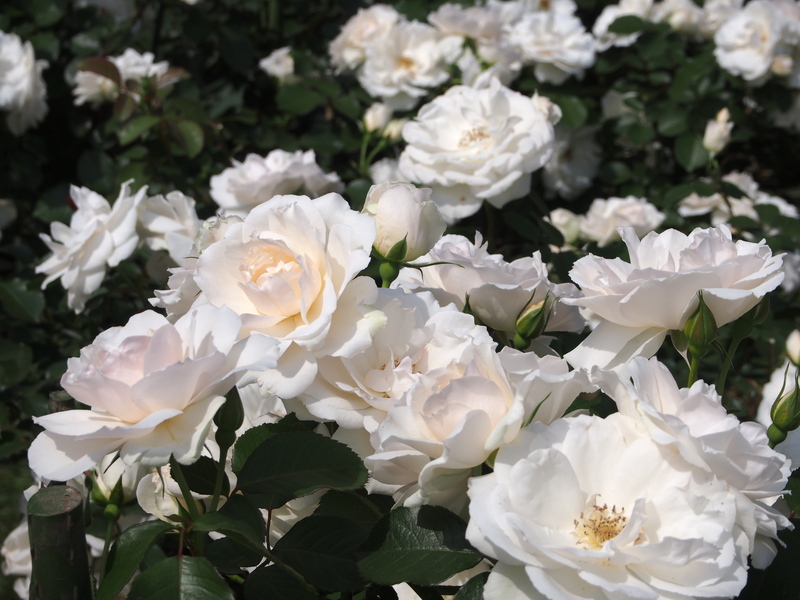
You know that blissful moment when the world fades and your garden becomes yours alone? A cup of tea, the rustle of leaves, a screen of green that gently says, "Not now." That's the power of smart planting. In this guide, we'll show you how to seclude your outdoor oasis using ornamental and functional tall-potted plants so you can turn an overlooked patio, balcony, or terrace into a calm, private sanctuary. We'll blend design insight with horticultural know-how, UK compliance, and practical tips you can act on this weekend. To be fair, it's not just about blocking a view -- it's about creating a feeling.
Table of Contents
- Why This Topic Matters
- Key Benefits
- Step-by-Step Guidance
- Expert Tips
- Common Mistakes to Avoid
- Case Study or Real-World Example
- Tools, Resources & Recommendations
- Law, Compliance or Industry Standards (UK-focused)
- Checklist
- Conclusion with CTA
- FAQ
Why This Topic Matters
Privacy has become a quiet luxury. City living, new builds with close neighbours, and the rise of hybrid working have put our outdoor spaces under pressure. The good news? You can seclude your outdoor oasis organically using ornamental and functional tall-potted plants without heavy construction, planning delays, or neighbourly disputes. Plants soften boundaries, filter air, absorb sound, and -- crucially -- create a calm visual screen that feels natural, not hostile.
In our experience designing small London terraces and suburban courtyards, tall planters can be game-changing. One client in Battersea described it perfectly: "When the bamboo went in, the street just disappeared." You could almost hear the noise dial turn down a notch. It's kinda wild how quickly a few well-chosen containers shift the mood.
This is not just about looks. Thoughtful plant screens also support biodiversity, improve microclimates, and boost perceived property value. And when seasons change, your living screen changes with them -- a subtle drama worth watching.
Key Benefits
Here's what you gain by choosing to seclude your outdoor oasis using ornamental and functional tall-potted plants rather than fences or generic screens:
- Instant, modular privacy: Potted screens can be moved, rearranged, and scaled. Perfect for renters and leaseholders.
- Year-round interest: Mix evergreen structure (e.g., Fatsia, Photinia, clumping bamboo) with seasonal drama (e.g., grasses, flowering climbers).
- Microclimate control: Plants reduce wind tunnelling, reflect soft light, and provide dappled shade. Your outdoor seating becomes usable more often.
- Sound and sight softening: Vegetation diffuses and absorbs certain frequencies; broad leaves and porous layers help. It won't silence a high street, but it takes the edge off.
- Health & wellbeing: There's strong evidence that greenery reduces stress and improves focus. Honestly, five minutes among leaves after a hard day helps.
- Environmental gains: Plants trap particulates, support pollinators, and promote urban cooling. Small but real.
- Compliance-friendly: Movable pots usually avoid strict planning rules that fences face. More on that later.
- Design flexibility: Hide bins, frame a view, or create separate zones for dining and relaxing. Clean, clear, calm. That's the goal.
Truth be told, living screens feel kinder than walls. Your neighbours will probably agree.
Step-by-Step Guidance
1) Diagnose Your Space
Before you buy anything, pause and observe for a day or two. Where does the sun hit? How strong is the wind? Is there a specific sightline you want to block? On a rainy afternoon in March you'll notice different patterns than on a bright July morning. Jot notes.
- Sun & shade: South and west aspects suit sun-lovers (e.g., Trachelospermum jasminoides, Olea europaea). North and east aspects need shade-tolerant structure (Fatsia japonica, Aucuba).
- Wind exposure: Tall containers act like sails. Choose flexible-stemmed plants (grasses, clumping bamboo) where gusts are common.
- Eyesore mapping: Stand where you usually sit. Identify the exact window or overlook; that's your priority screen line.
- Load limits: For balconies/roof terraces, check structural loading (typical residential balconies are often rated around 1.5-2.5 kN/m?; verify with your management company or engineer). Err on the cautious side.
2) Choose the Right Containers
Good pots are the foundation. They should be large, stable, frost-resistant, and well-draining. Think long-term, not ornamental-only.
- Material: Fibreclay, fibreglass (GRP), high-quality plastic (lightweight), or glazed ceramic for style. Avoid cheap thin plastic that becomes brittle. In windy spots, weight matters.
- Size: As a rule, choose a container with a diameter at least 30-50% of your target plant height. Tall grass at 1.5 m? Aim for a 45-60 cm wide pot.
- Drainage: Essential. Add feet or risers under pots to prevent waterlogging and staining on patios.
- Shape: Squared or trough planters interlock visually and create continuous screens. Round pots are elegant for punctuation plants (like a statement bay or palm).
- Mobility: Consider built-in castors or a dolly for heavy planters. A small detail that saves backs.
3) Select Planting Media & Irrigation
Plants in containers depend entirely on you. Get the growing medium and watering right from day one.
- Compost: Use a high-quality peat-free mix. Blend 60-70% peat-free compost with 20-30% horticultural grit or perlite for drainage, plus a slow-release fertiliser.
- Watering: Install a drip line on a simple battery timer if possible. If not, use reservoir planters or add hydrogel crystals for water retention.
- Mulch: 3-5 cm of bark, pea gravel, or cocoa hulls reduces evaporation and looks tidy.
4) Pick Tall-Potted Plants That Work Hard (and Look Good)
To seclude your outdoor oasis using ornamental and functional tall-potted plants, prioritise evergreen structure, movement, and textures. Mix three categories:
- Evergreen backbone:
- Fargesia (clumping bamboo): Privacy without the invasive running habit. Lots of movement, gentle rustle.
- Photinia x fraseri 'Red Robin' (standard or shrub): Glossy leaves, red flush on new growth. Responds well to clipping.
- Prunus lusitanica (Portuguese laurel): Densely evergreen, elegant, tough.
- Trachelospermum jasminoides (star jasmine) on a trellis: Evergreen vine, exquisite scent in summer evenings.
- Bay laurel (Laurus nobilis): Architectural, culinary, and tolerant in containers.
- Chamaerops humilis (dwarf fan palm): Hardy character plant with coastal vibes.
- Grasses & movement:
- Miscanthus sinensis cultivars: Tall, shimmering, superb for soft screening.
- Calamagrostis x acutiflora 'Karl Foerster': Upright, tight habit, excellent for windy spots.
- Pennisetum alopecuroides: Fountain-like, tactile, late-season drama.
- Feature & seasonal accents:
- Fatsia japonica: Big glossy leaves for shade, instant tropical mood.
- Tetrapanax papyrifer (in larger containers): Huge leaves; bold, almost theatrical screening.
- Olea europaea (olive) or Laurus nobilis standards: Height without dense bulk; good for framing views.
- Espaliered fruit trees: Apples or pears trained flat on trellis -- privacy with spring blossom and autumn fruit.
Want instant results? Combine a trough of clumping bamboo with a trellis-backed jasmine. Green coverage now, scent in summer, and softer edges all year.
5) Planting Technique
- Add drainage crocks or coarse gravel to the pot base (10-15% of height).
- Half-fill with your peat-free mix, position the plant so the crown sits just below the rim.
- Backfill firmly but not compacted; water deeply until runoff. Top with mulch.
- Stake if necessary (especially standards and young bamboos) using soft ties.
- For climbers, fix a trellis panel or obelisk into the pot or just behind it.
6) Spacing and Layout for Real Privacy
Effective screening is about height, density, and overlap. Imagine a zigzag, not a straight line. That creates depth, improves wind flow, and hides gaps.
- Primary screen line: 35-50 cm between medium-large troughs works for bamboo or laurel.
- Layering: Put grasses slightly in front for softness and movement.
- Corner stacks: Taller, heavier containers in corners to anchor the composition.
- Sightline test: Sit in your usual chair, then ask someone to shift pots an inch or two. Tiny moves, big difference.
7) Ongoing Care
Container plants need regular care. Not fussy, just consistent.
- Water deeply and less often; avoid constant light sips. In hot spells, daily checks.
- Feed spring and midsummer with a slow-release or liquid balanced fertiliser.
- Prune for shape and density: light trims little and often beats harsh cuts.
- Refresh top 5-10 cm of compost annually; repot every 2-4 years.
- Winter: Raise pots on feet, wrap sensitive roots with hessian in cold snaps; group pots for shelter.
One small ritual helps: a Sunday stroll with secateurs and a watering can. Five minutes. You'll notice issues before they matter.
Expert Tips
- Go clumping, not running: For bamboo, choose Fargesia varieties. Running types (Phyllostachys) can be vigorous and tricky in pots.
- Use hidden reservoirs: A false-bottom insert or built-in reservoir moderates drought stress when you're away for a week.
- Think 'two-thirds' rule: Aim for plant height about 1.5x the viewing height you need to block. Sit height is roughly 1.2 m; target 1.8 m screens.
- Noise buffering: Layer broad leaves (e.g., Fatsia) with vertical grasses. The mixed surfaces diffuse sound a touch better than smooth hard panels.
- Perfume near seating: Star jasmine or Daphne near the table elevates summer evenings. You'll smile every time a breeze drifts by.
- Use underplanting: Trailing ivy, thyme, or heuchera shades soil and reduces watering needs -- plus it hides the compost line.
- Stability first: In exposed sites, add gravel bags at the pot base or choose low, wide planters to lower the centre of gravity.
- Mix evergreen with deciduous drama: Evergreen keeps the screen; deciduous adds seasonal sparkle. Best of both worlds.
- Try pleached or espaliered trees in containers: A living green wall that respects neighbourly sightlines and adds refinement.
- Leave micro-gaps: Small 10-15 cm gaps at the base of screens encourage airflow and reduce mildew on shaded patios.
And if you're ever stuck, take a photo from your main seat and sketch over it. Rough as anything. You'll see the gaps instantly.
Common Mistakes to Avoid
- Undersized pots: Small containers dry out fast, topple in wind, and stunt roots. Go bigger than you think.
- Wrong species selection: Choosing running bamboo or overly thirsty trees (e.g., willow) for containers invites problems.
- Ignoring weight limits: Overloading balconies can be dangerous. Always check with your building management and, if in doubt, an engineer.
- Poor drainage: No feet, no drainage layer, no joy. Roots rot, plants suffer, surfaces stain.
- Monocultures: One plant type = one pest or disease away from disaster. Mix textures and species.
- Forgetting winter wind: Sturdy pots and flexible plants survive storms better than top-heavy trees.
- Over-fertilising: Too much feed leads to lush, floppy growth that collapses in wind. Steady, not heavy.
- Blocking neighbour light: Tall evergreen screens over 2 m can trigger complaints under UK high-hedges rules. Be considerate.
- Not planning irrigation: A heatwave will reveal every weak link. Simple timers save plants.
Yeah, we've all been there -- shuffling pots in the rain because we rushed month one.
Case Study or Real-World Example
Project: Second-floor terrace, Walthamstow, East London. Size: ~3 x 5 m. Goal: Screen two neighbouring windows while keeping light and not breaching the building's load guidance.
Constraints: Wind exposure from the west; balcony load limits; no permanent fixtures allowed by freeholder.
Design: Three GRP troughs (100 x 40 x 40 cm) along the west edge, each planted with a mix of Fargesia robusta (clumping bamboo) and Calamagrostis. Behind the seating zone, two large round fibreglass planters (60 cm dia.) with Laurus nobilis standards underplanted with heuchera and thyme. A freestanding timber trellis panel was clipped to the inside of two troughs (no drilling), planted with star jasmine for scent.
Outcome: Immediate 80-90% visual screening from both windows, improved wind comfort, and a soft rustling sound that disguised street noise. The client texted a week later: "It's like we added a room. Coffee tastes better out here now." On a cold, bright morning you could smell the jasmine leaves warming just a little. Small joy.
Notes: Total added weight remained within guidance; pots were placed on risers to protect decking; a compact battery timer was installed for drip irrigation. Maintenance: monthly light trims and seasonal feed.
Tools, Resources & Recommendations
Quality tools and reliable suppliers make the job smoother.
- Essential tools: Hand trowel, long-handled watering can, secateurs, pruning saw, moisture meter, sturdy gloves, wheeled dolly for heavy pots.
- Watering aids: Battery tap timer, micro-drip kit (with pressure regulator), or reservoir planters.
- Compost & amendments: Peat-free multi-purpose compost, perlite/grit, slow-release fertiliser, bark mulch.
- Planter brands: Lightweight GRP or fibreclay manufacturers; frost-resistant ceramics for statement pieces.
- Plant sources: RHS-recommended nurseries and reputable UK online suppliers with clear plant care info and biosecurity standards.
- Research & identification: RHS Plant Finder, local gardening clubs, and community groups. Ask locals what thrives on your street.
Pro tip: Keep a simple garden log in your phone. Sun patterns, watering frequency, first frost. You'll spot rhythms you can trust.
Law, Compliance or Industry Standards (UK-focused)
Important: This is general guidance, not legal advice. Always check local rules and your tenancy/lease agreements.
- Planning permission: Movable planters rarely require planning permission. However, permanent screens or fixed trellis may, especially in conservation areas or on listed buildings. Consult your local planning authority.
- High hedges (Anti-social Behaviour Act 2003, Part 8): Persistent evergreen screens over 2 m that adversely affect neighbours can lead to complaints. Sensible pruning and early conversations help.
- Right to light: An easement in some cases; avoid significantly reducing long-established light to neighbouring windows with permanent structures. Plant screens are flexible -- use that to your advantage.
- Balcony & roof terrace load: Building management often sets maximum loads; distribute weight evenly and choose lightweight planters and media where possible.
- Fire safety on balconies: Some buildings restrict combustible storage and planting due to fire risk. Check your building's fire safety guidance and the NFCC advice for residential balconies.
- Water use & hosepipe bans: Temporary Use Bans are enforced by water companies during droughts. Plan drought-resilient planting and use drip irrigation to minimise waste.
- Invasive species: Under the Wildlife and Countryside Act 1981, it's an offence to cause certain invasive plants (e.g., Japanese knotweed) to spread. Choose non-invasive species; dispose of green waste responsibly.
- Pesticides: Follow UK label directions; prefer integrated pest management (IPM) and wildlife-safe options. Avoid harming pollinators.
Bottom line: keep it movable, keep it friendly, keep it safe. A quick chat with neighbours goes a long way.
Checklist
- Map sun, wind, and key sightlines (take photos from your seating position).
- Confirm balcony/terrace load limits and building rules.
- Choose large, frost-resistant containers with drainage and pot feet.
- Select a privacy backbone (evergreens), movement layer (grasses), and seasonal accents.
- Use peat-free compost with added grit/perlite and slow-release fertiliser.
- Install drip irrigation or use reservoir planters; add mulch.
- Zigzag layout for depth; test sightlines from your actual chair.
- Stake young plants; secure trellis without drilling if needed.
- Plan pruning, feeding, and winter protection.
- Sense check UK compliance: height, neighbour light, fire safety, invasives.
Conclusion with CTA
When you seclude your outdoor oasis using ornamental and functional tall-potted plants, you're not just hiding views. You're shaping mood, light, and sound. You're inviting butterflies back in, making dinner outdoors a little more magical, and turning the simple act of morning coffee into a ritual that steadies you for the day.
Start small: three good planters, one evergreen backbone, a grass for movement, a scented climber to make you smile. Then build. You'll find your rhythm.
Get a free quote today and see how much you can save.
And when the leaves whisper at dusk and the city steps back a pace, you'll know it was worth it.
FAQ
What are the best tall-potted plants for privacy on a windy balcony?
Choose flexible, upright species that handle gusts: clumping bamboos like Fargesia, Calamagrostis 'Karl Foerster', and hardy evergreens in low, wide planters. Stake standards, and add weight to bases if needed.
How many planters do I need to block a neighbour's view?
For a typical 3-4 m span, three to four 1 m troughs with dense evergreens (or bamboo) usually deliver 80-90% screening. Arrange in a slight zigzag to avoid visible gaps.
Can I keep tall screens under 2 m to avoid high hedge complaints?
Yes. Aim for 1.6-1.9 m final height and maintain with light, regular pruning. Use mixed textures so the screen feels friendly rather than imposing.
What's a non-invasive bamboo for containers?
Clumping types, especially Fargesia species and cultivars (e.g., F. robusta, F. rufa, F. nitida), are reliable in pots and won't run like Phyllostachys.
How often should I water tall containers?
Check soil moisture 2-3 times weekly in summer; water deeply when the top 2-3 cm is dry. Drip irrigation on a timer is ideal. In winter, water sparingly but don't let evergreens dry out completely.
Will tall-potted plants reduce noise?
They won't soundproof a space, but layered vegetation can diffuse and mask some frequencies. Pair broad leaves (Fatsia) with vertical grasses and a water feature for better psychoacoustic relief.
What's the best potting mix for long-term success?
A peat-free multi-purpose compost blended with 20-30% grit or perlite, plus slow-release fertiliser. Top with mulch to conserve moisture and stabilise temperature.
Are there tall options for deep shade?
Yes: Fatsia japonica, Aucuba japonica, Mahonia (in larger pots), and ivy on freestanding trellis. Choose glossy, large leaves to reflect available light.
Can pots damage my decking or patio?
They can if water sits under them. Use pot feet or risers to allow drainage and airflow; place saucers on stone, not timber, if you must use them. Always check weight on balconies.
What tall plants are good for year-round colour?
Try Photinia 'Red Robin' (red new growth), Skimmia for winter berries (needs acidic mix), evergreen Hebes, and seasonal grasses that keep winter seedheads for structure.
Are tall-potted privacy plants pet-safe?
Bay (Laurus nobilis) and many grasses are pet-friendly. Avoid toxic species like yew and certain lilies. Always cross-check species if pets nibble plants.
Can I train fruit trees in containers for screening?
Absolutely. Espaliered apples or pears on a trellis give blossom, fruit, and a neat green screen. Use a 45-60 cm deep trough and consistent watering.
What's a fast result for a summer-ready screen?
A trough of clumping bamboo plus a pre-trained star jasmine on a trellis. Add a layer of Pennisetum in front for softness. Instant impact; fuller by late summer.
How do I winter-protect tall-potted plants?
Raise pots on feet, wrap containers in hessian or bubble wrap (not the leaves), and group pots for shelter. Water minimally but don't let evergreens desiccate in cold winds.
Do I need fertiliser, and when?
Yes. A slow-release feed in spring plus a light liquid feed in midsummer keeps container plants vigorous. Avoid heavy late-season feeding that encourages tender growth before frost.
What's the ideal planter layout for small balconies?
Use long troughs along the rail for a continuous screen, add one statement round planter to anchor a corner, and keep 60-90 cm clear for circulation. Keep it simple and light.
Is there a scented option that's evergreen?
Trachelospermum jasminoides (star jasmine) is evergreen and wonderfully scented in summer. Train it on a trellis fixed within or behind the planter.
How do I keep plants stable during storms?
Choose wider, heavier planters, add internal ballast (gravel bags), use soft ties for staking, and avoid top-heavy species in the windiest spots. Prune to balance canopy.
Can I mix edibles with my privacy screen?
Yes. Underplant bay or olive with thyme, oregano, and chives. Add a potted rosemary standard for height. It smells amazing when brushed past on warm days.
Seclude Your Outdoor Oasis Using Ornamental and Functional Tall-Potted Plants isn't only a design trick -- it's a way of life outdoors. One gentle layer at a time. Breathe in, look up, feel the space soften.
